How to Use a Case Study Template in Your Business Workflow
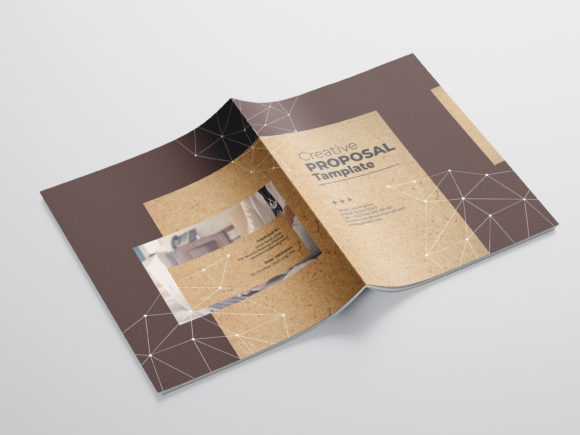
A Case Study Template is an essential tool for businesses looking to document, analyze, and present real-world examples of their work. Whether you're showcasing client successes, evaluating internal projects, or preparing marketing collateral, a well-structured case study can provide valuable insights and help build credibility. A professional case study template streamlines this process by offering a ready-to-use format that ensures consistency, clarity, and visual appeal.
Understanding the Role of a Case Study Template
At its core, a Case Study Template serves as a framework for organizing information about a specific project, product launch, marketing campaign, or business initiative. It helps you tell a story in a structured way, making it easier for your audience to follow along and understand the context, challenges, solutions, and outcomes involved.
These templates are commonly used in industries like marketing, consulting, software development, and education. They fit into the broader workflow of content creation and business analysis, acting as a bridge between raw data and strategic communication. The right template can transform a complex project into a compelling narrative that highlights key performance indicators (KPIs), lessons learned, and future opportunities.
When to Integrate a Case Study Template
The timing of when to use a case study template depends on your goals. Here’s how it can be integrated at different stages:
- Before a Project: Use the template to outline expectations, define objectives, and establish benchmarks. This helps set a clear direction and gives stakeholders a visual roadmap.
- During a Project: Adapt the template to track progress, evaluate decisions, and adjust strategies in real-time. This is especially useful in agile environments where iterative feedback is critical.
- After Completion: Leverage the template to summarize results, showcase achievements, and share learnings with clients or team members. This stage often involves creating a final version for external audiences or internal review.
Use Cases Across Industries
Marketing teams may use a Case Study Template to highlight successful campaigns or product launches. Consultants might create case studies to demonstrate past client work and validate their expertise. In tech, developers can use them to explain how a new feature was implemented and its impact. Educators and trainers also benefit by using case studies to illustrate concepts and engage learners.
Regardless of the industry, the template provides a consistent structure that makes it easy to compare different initiatives and communicate value effectively.
Key Features of a Corporate Business Flyer Template
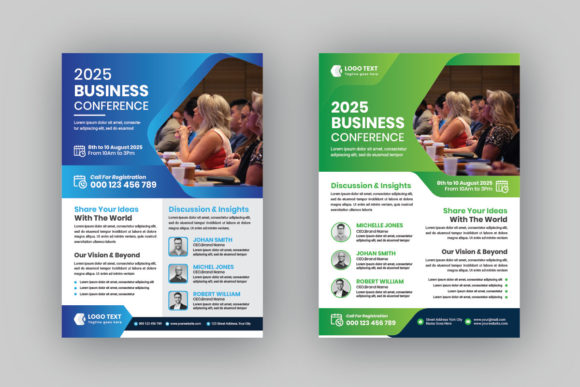
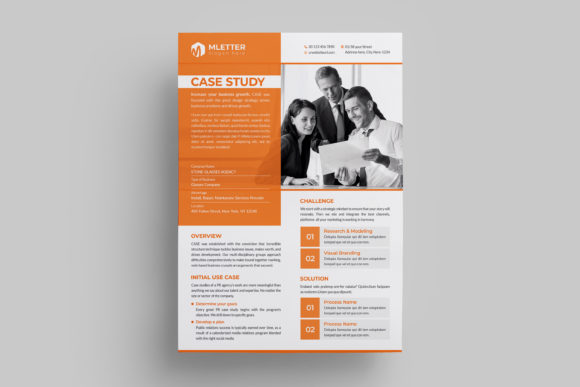
While a case study template focuses on in-depth storytelling, a Corporate Business Flyer Template offers a more concise approach. These flyers are designed to deliver high-impact messages quickly, making them ideal for promotional events, product launches, and company introductions. A clean, eye-catching design is crucial for capturing attention and conveying professionalism.
Most corporate flyer templates come fully editable in Photoshop PSD format, allowing users to modify text, colors, images, and layout with minimal technical skill. With dimensions typically set to A4 (8.27×11.69 inches) and bleed included (.25 inches), these files are printer-ready and adaptable to various branding needs. Additionally, they’re usually well organized, ensuring that even those with basic design knowledge can make changes without disrupting the overall structure.
Choosing the Right Design Elements
Though image assets are not included in most templates, selecting the right visuals is key to the effectiveness of your flyer. High-quality stock images or custom illustrations should reflect the tone and message of your business. Likewise, font choices must align with your brand identity while remaining legible and professional. Always verify that any fonts used are free or properly licensed to avoid legal issues later.
Practical Implementation Tips
To get the most out of a Case Study Template, start by defining the purpose of your case study. Are you trying to convert leads, train employees, or assess project ROI? Once you have a clear objective, gather all relevant data—client testimonials, before-and-after metrics, timelines, and supporting documentation.
Organize your findings into sections that match the template's structure. Common sections include:
- Project Overview
- Challenges Faced
- Solutions Implemented
- Results Achieved
- Lessons Learned
Workflow Example: Marketing Campaign Analysis
Imagine you've just completed a digital marketing campaign for a client. To create a case study using the template:
- Gather campaign details such as budget, platforms used, and target audience.
- Collect pre-campaign metrics and post-campaign KPIs (e.g., website traffic, conversion rates, social media engagement).
- Identify the main challenges faced during the campaign, such as low engagement or budget constraints.
- Document the strategies employed to overcome these obstacles.
- Insert visual elements like graphs or screenshots to support the narrative.
- Edit the template in Photoshop to replace placeholder text and images with your own.
- Review the final output for consistency and accuracy before sharing it internally or externally.
This example shows how a Case Study Template can be seamlessly integrated into a marketing workflow, turning campaign data into a persuasive sales tool.
Ensuring Compatibility and Long-Term Use
One of the strengths of a Case Study Template is its adaptability. Whether you're working solo or with a team, the template should allow for smooth collaboration. Make sure everyone understands the structure and knows where to input specific types of information. Clear folder organization and naming conventions can also improve efficiency and reduce confusion.
When integrating the template into your long-term planning, consider creating a library of reusable sections. For instance, if your company runs similar projects, you can save common problem statements or solution frameworks for quicker turnaround. This practice enhances usability and ensures that each new case study maintains a cohesive brand voice and style.
Maximizing Usability and Efficiency
Usability is a top priority when choosing or editing a Case Study Template. A cluttered or disorganized design can undermine your message, no matter how solid the content is. Focus on readability by using appropriate spacing, font sizes, and color contrasts. Avoid overloading pages with too much text—use bullet points, subheadings, and white space to guide the reader’s eye naturally through the document.
For Photoshop-based templates, layer names should be descriptive so users can easily locate elements like headers, body text, or background graphics. Smart objects are particularly helpful for replacing images without distorting quality. If your team isn't familiar with Photoshop basics, consider adding a quick-start guide or video tutorial to help them navigate the file efficiently.
Integration with Other Tools and Resources
Case study creation doesn’t happen in isolation. The template should complement other tools in your workflow. For example, you might pull data from Google Analytics or CRM systems to populate results sections. Content management systems (CMS) can then host the final case study for public access, while project management platforms like Trello or Asana can help coordinate tasks related to its development.
Additionally, case studies often serve as source material for blog posts, presentations, or social media content. Having a well-structured template allows you to extract key points and repurpose them across different formats without losing clarity or coherence.
Maintaining Quality and Consistency
Quality control is vital when producing case studies. Even the best template won’t perform well if the content inside is inconsistent or poorly edited. Establish a review process involving both subject-matter experts and designers to ensure factual accuracy and visual appeal.
Consistency in branding is another important factor. Your case study should reflect the same tone, color palette, and typography used in other business materials like brochures, websites, or reports. This reinforces brand recognition and builds trust with your audience.
Real-World Outcomes and Value
Well-executed case studies don’t just look good—they deliver tangible outcomes. They can increase lead generation by showcasing success stories, enhance internal processes by documenting best practices, and improve stakeholder buy-in by demonstrating measurable results. When paired with a Corporate Business Flyer Template, you can further amplify your reach by summarizing key takeaways in a visually appealing format suitable for print or digital distribution.
Consider one scenario: after completing a detailed case study on a recent SaaS implementation, your team creates a short summary flyer to distribute at a trade show. This dual approach maximizes the value of your work by catering to both in-depth research and quick decision-making.
Final Thoughts on Process and Planning
Using a Case Study Template requires thoughtful planning and execution. Start early in your project lifecycle to capture accurate data, and maintain a disciplined workflow to ensure timely delivery. Choose a template that matches your design capabilities and integrates smoothly with your existing tools. And always keep your audience in mind—whether they’re potential clients, investors, or team members—to tailor the content effectively.
With the right approach, a case study can become a powerful asset in your business toolkit. It not only documents your journey but also tells the world why your methods work—and what results they can expect.